Spay & Neuter Surgery for Cats & Dogs

Spaying or neutering your dog or cat is an important decision in their life. These routine procedures help prevent certain cancers, reduce unwanted behaviors like roaming or marking, and eliminate the risk of unplanned litters. 

The term "neuter" stands for both spaying (females) and castration (males).

Where possible, this is best done when they are still a puppy or kitten. We know having a neutering surgery performed on your pet can be scary. But the Petsasa Vetcare team of highly trained veterinarians can perform this routine surgery using safety practices in a hospital setting or comfortably at home in  our mobile vet ambulance.

Benefits of Spay & Neuter

  • Preventing unwanted litters
  • Support your pet’s long-term health and well-being
  • Minimize behavioral issues like urine marking, roaming, and aggression.
  • Protect against various health problems later in life, such as certain types of cancer or potentially fatal infections in the uterus.
Petsasa Vetcare +P White Clear Background logo

Smart Light

Focus on the actual layout, or color scheme

* You can test our security system within 30 days.

Neutering for Cats & Dogs

A neuter is a routine surgical procedure done for the removal of your pet’s internal reproductive organs (ovaries, uterus, testicles). However, among most pet owners, this term stands for the procedure to remove a male dog’s or cat’s testicles, thus making them sterile. This is sometimes referred to as castration.

Neutering will be carried out by your vet under general anaesthetic so your pet will be asleep throughout the procedure. It’s a straightforward process and you can usually take your pet home the same day to recuperate in a familiar, safe environment.

Spaying for Cats & Dogs

A spay is a routine, elective surgery for sterilization for female pets, meaning your pet won’t produce any litters of puppies or kittens.

The vet will usually remove both the ovaries and uterus. Sometimes they will remove just the ovaries though this is much less common in Kenya. talk to our vet doctors who will explain all the different options open to you

Petsasa Vetcare +P White Clear Background logo

What Should I Expect After Neutering Surgery?

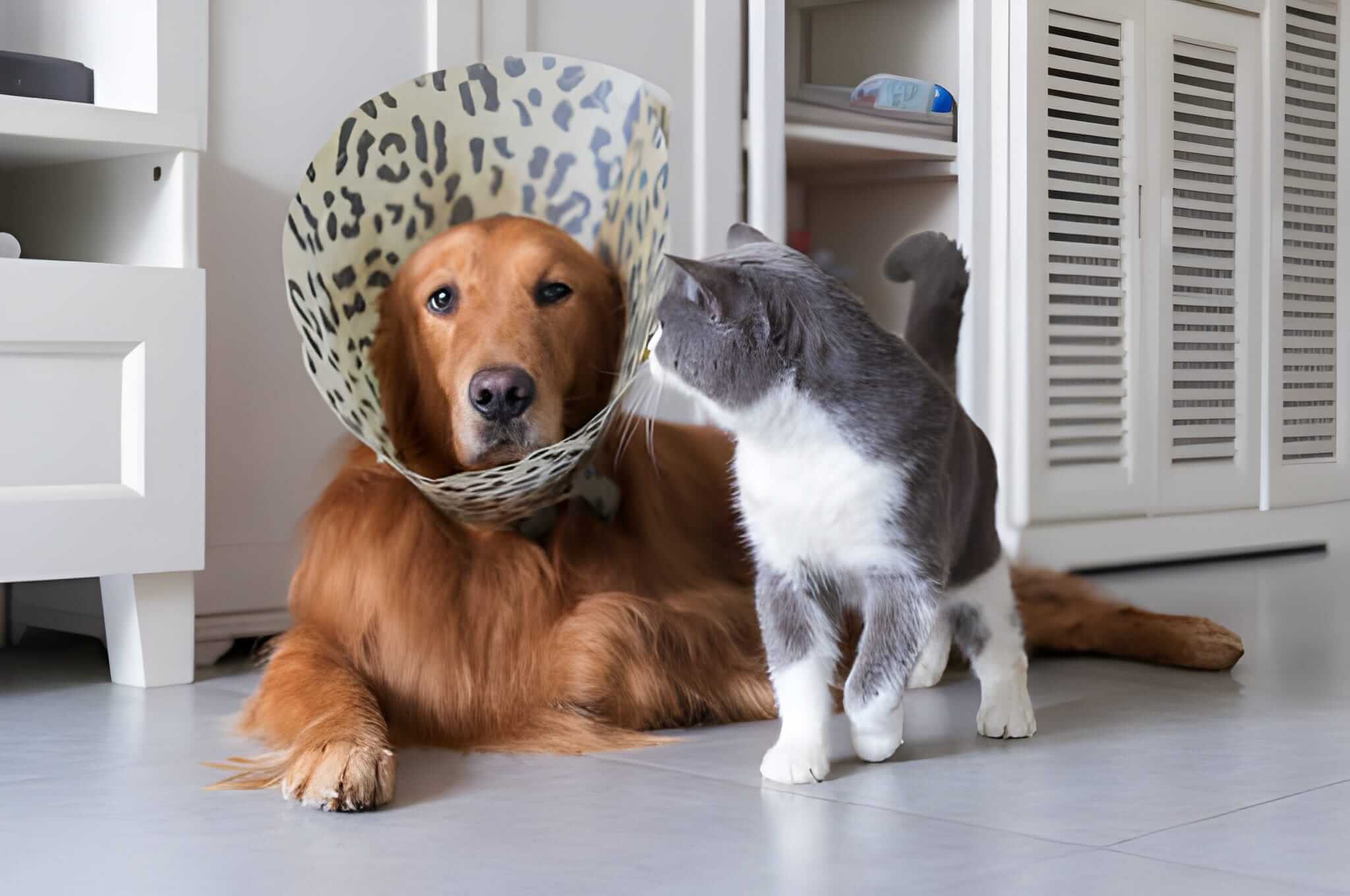
After spay or neuter surgery, most pets recover quickly, but the first few days are key to healing. 

To help the healing process, keep your pet calm, limit jumping or running, and prevent them from licking the incision.

  • petsasa Vetcare Logo Icon Book a Consultation
  • petsasa Vetcare Logo Icon Book Spay/Neuter

Frequently Asked Question About Spay/Neuter

Where can I get my dog neutered?

Here at the Petsasa Kenya  vet practice, we offer a full dog neutering services as wells as spay and neuter for cat.

How often do dogs come into heat?

Most dogs go into heat twice a year but the interval can vary from dog to dog. Small breeds tend to cycle more frequently.

Will my pet get fat after neutering?

Hormonal changes caused by neutering may affect your pet’s weight. Our vet can advise you on the best diet, including weight-control prescription foods.

What is a spay?

Spaying involves removing the uterus and ovaries of the female cat or dog.

How can I prepare my pet for a spay or neuter surgery?

One important step is to make sure your pet does not eat food the night before their surgery. Other than that, our doctors will be able to guide you every step of the way.

How much does dog spaying/neutering cost in Nairobi?

Your pet’s neutering costs will vary according to the type of neutering involved and if/or when pre/post surgery care is needed. In any case, prices are relatively affordable. Kindly book a 30 minute consultation with our doctor to get an accurate determination.